

 Image 1 of 2
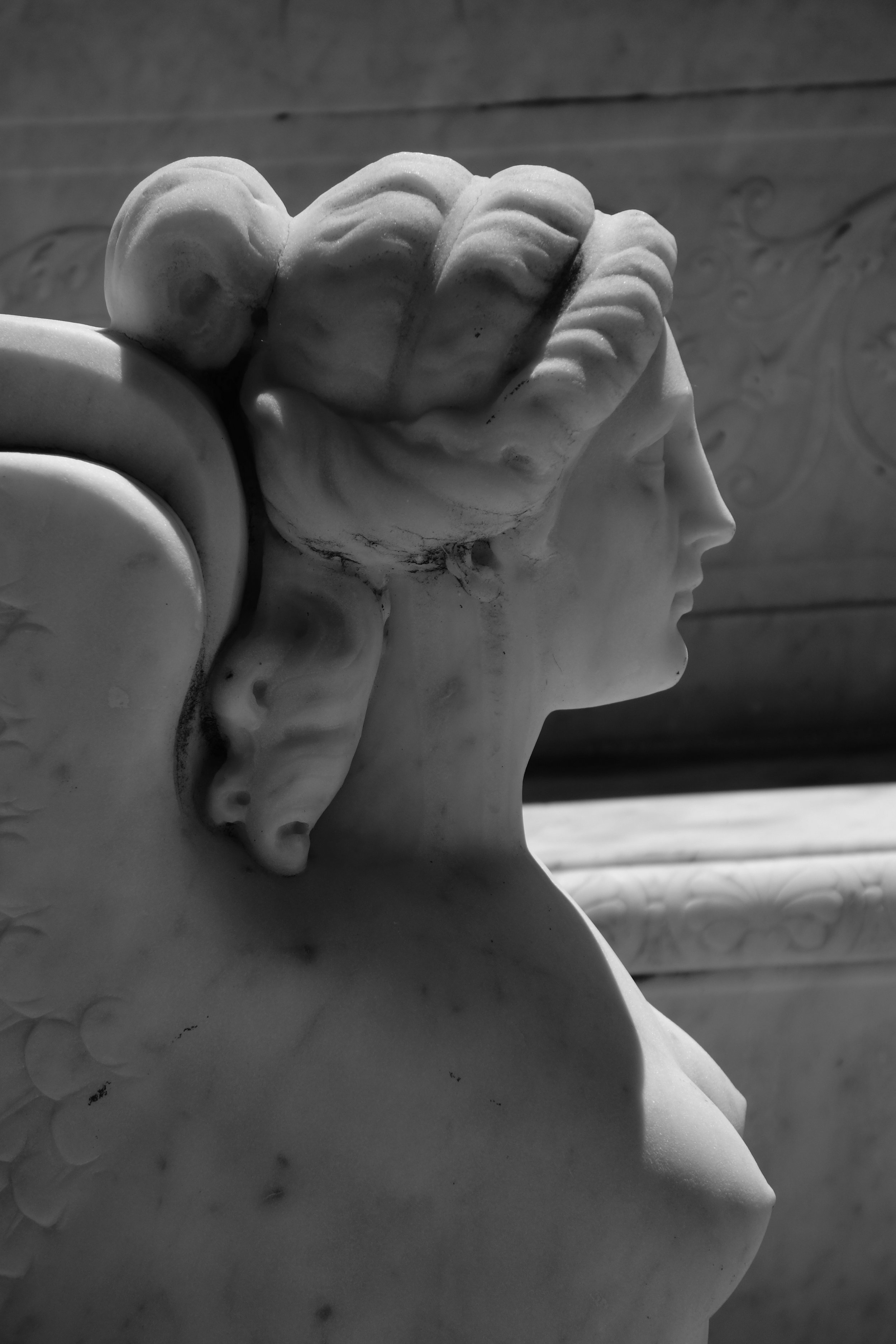 Image 2 of 2
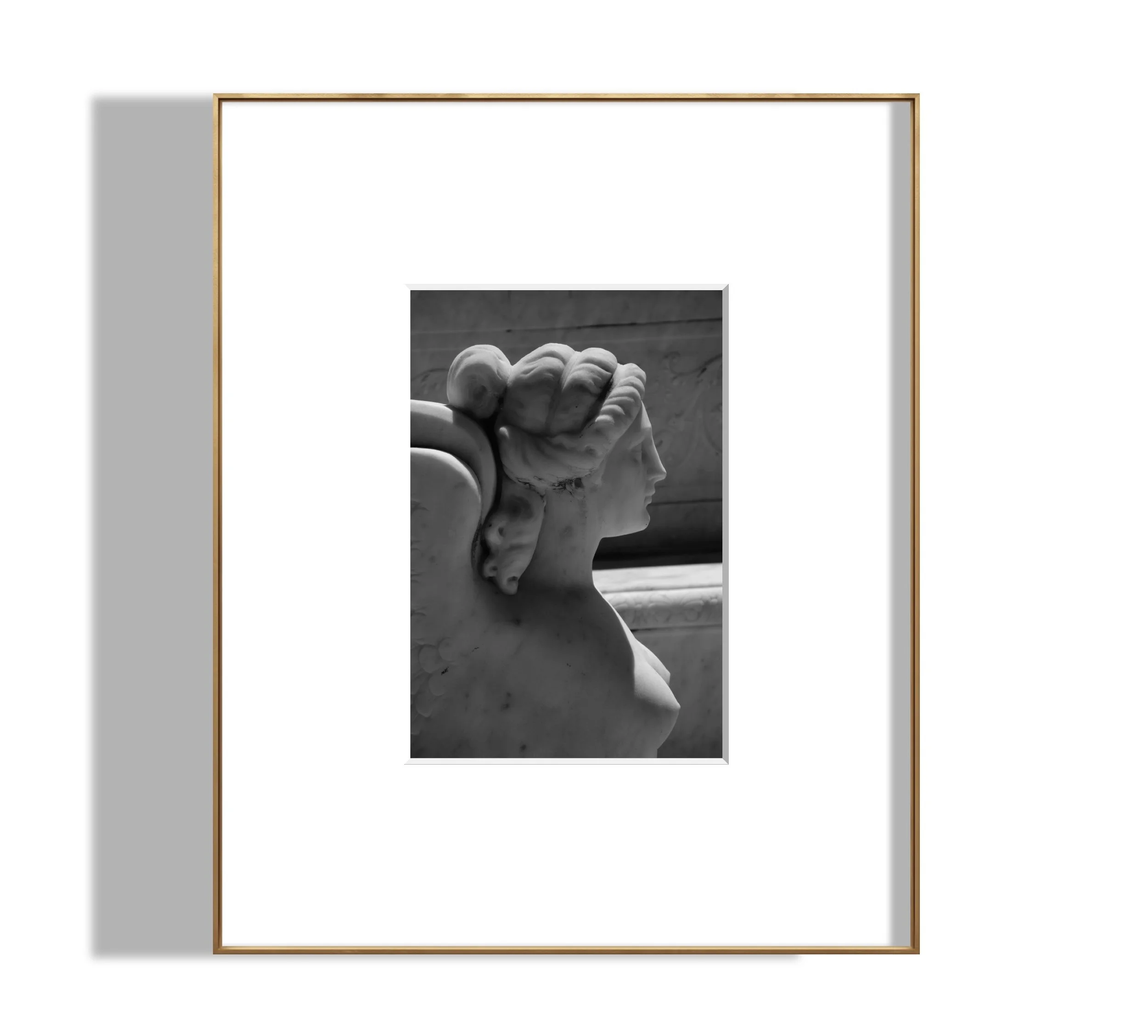
Adorning two benches placed along the walk way to Whitehall’s entrance are classical Greco Roman influenced sculptures representing winged mythological sphinx deities, symbolic guardian figures tied to themes of protection, mystery, wisdom and the afterlife. In Ancient Greece, the sphinx appeared with a lion’s body and a male pharaoh’s head, symbolizing strength, protection and divine kingship. They were usually placed at entrances of temples and tombs as guardians. In Ancient Greece, the sphinx was more feminine, portrayed with a woman’s head, lion’s body and bird’s wings and was associated with mystery, hidden knowledge and challenge. Roman and Neoclassical adaptations adopted the sphinx as a decorative and protective motif, appearing as ornamental guardians to villas, palaces, sarcophagi and gardens.
Adorning two benches placed along the walk way to Whitehall’s entrance are classical Greco Roman influenced sculptures representing winged mythological sphinx deities, symbolic guardian figures tied to themes of protection, mystery, wisdom and the afterlife. In Ancient Greece, the sphinx appeared with a lion’s body and a male pharaoh’s head, symbolizing strength, protection and divine kingship. They were usually placed at entrances of temples and tombs as guardians. In Ancient Greece, the sphinx was more feminine, portrayed with a woman’s head, lion’s body and bird’s wings and was associated with mystery, hidden knowledge and challenge. Roman and Neoclassical adaptations adopted the sphinx as a decorative and protective motif, appearing as ornamental guardians to villas, palaces, sarcophagi and gardens.